
Buying an Investment Property in Canterbury and Otago.
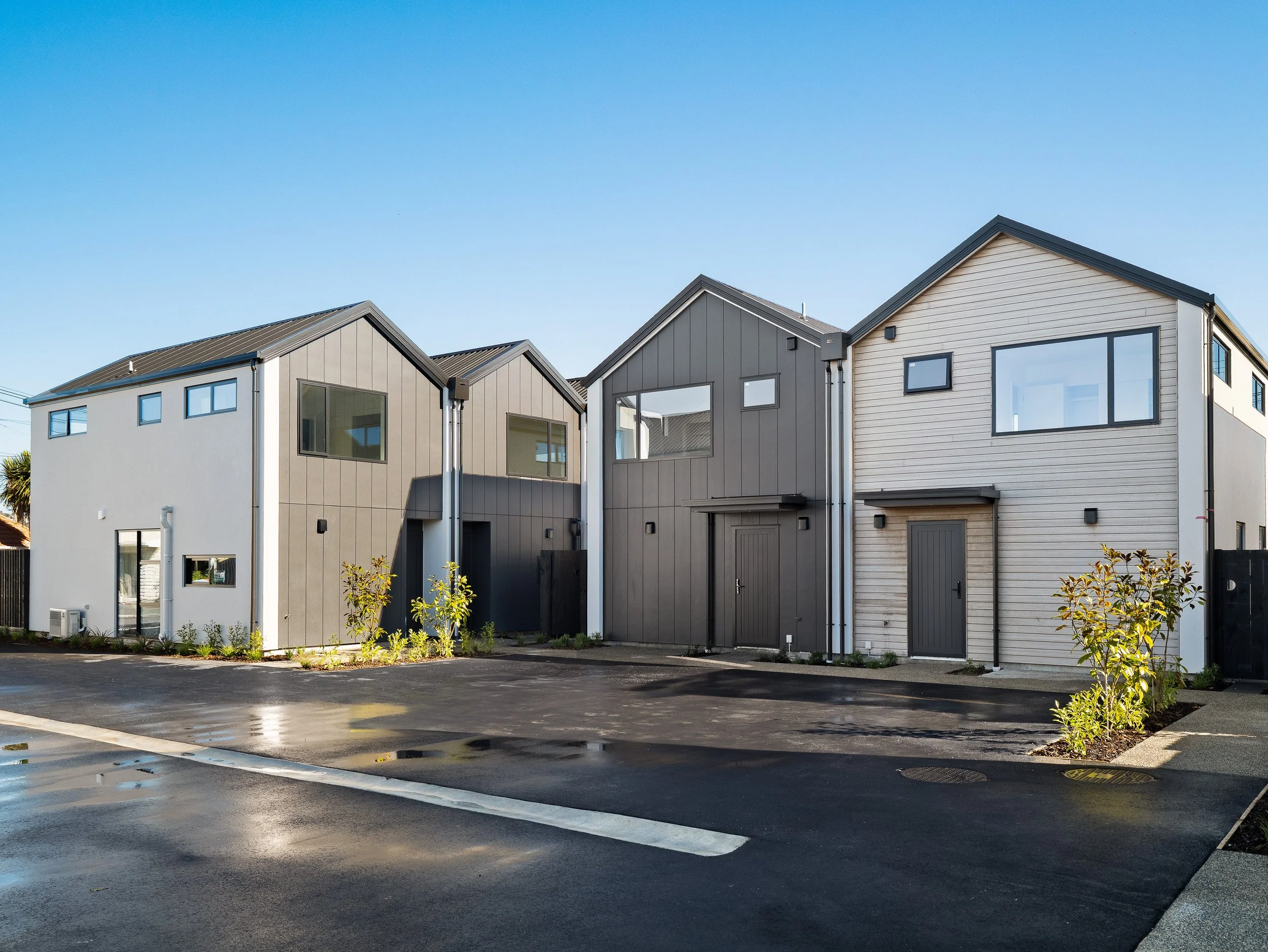
Featuring The Grove
Buying an Investment Property in Canterbury and Otago
For many New Zealand investors, the question is no longer whether to invest in property, but where. In recent years, market analysis and media coverage have increasingly pointed to Canterbury and Otago as regions offering a compelling balance of affordability, rental demand, and long‑term stability, particularly when compared to Auckland and Wellington.
Whether you are purchasing your first investment property or adding to an existing portfolio, understanding what drives performance in these regions can significantly improve outcomes.
Start With Strategy, Not the Hype
RNZ reporting over the past two years has highlighted that investors who entered the market without a defined strategy, particularly at the 2021–22 peak, have faced prolonged negative cashflow and limited flexibility. The lesson is clear: strategy must come before property selection.
Most everyday Kiwi investors continue to favour a buy‑and‑hold approach, focusing on durable rental demand rather than short‑term resale gains. Canterbury and Otago are frequently highlighted as regions that align well with this long‑term mindset.
Why Canterbury and Otago Stand Out
Strong Rental Yields by NZ Standards
Nationally, average gross rental yields sit around 4 - 4.5%, but regional centres consistently outperform this benchmark. According to aggregated data from Global Property Guide and OneRoof, Christchurch (Canterbury) delivers average gross yields of around 4.3 - 4.5% for houses and townhouses, higher than Auckland’s sub‑4% returns.
Otago, particularly Dunedin and surrounding areas, also performs strongly. Regional Rental Reports show Otago rents increased by approximately $46 per week year‑on‑year, while property prices have remained comparatively stable, a combination that directly supports stronger yield outcomes
Population and Employment Fundamentals Matter
Christchurch benefits from scale without Auckland‑level pricing pressure. It has a diversified employment base across health, education, construction, logistics, and professional services. This diversity supports consistent rental demand, something repeatedly highlighted in regional investment commentary.
Dunedin and wider Otago have an equally resilient demand profile. The presence of the University of Otago, polytechnics, and a major regional health system creates a stable tenant pool of students, healthcare professionals, and long‑term workers. Analysts consistently point to education and healthcare as two of the most defensive demand drivers in NZ’s rental market and both sit firmly in this region.
Lending Rules Still Matter, But New Builds Help
Investors still face stricter lending rules than owner‑occupiers. However, new builds in Canterbury and Otago continue to attract investor interest because they often qualify for lower deposit thresholds (15-20%) under Reserve Bank exemptions, making entry more achievable without excessive leverage.
Cashflow Is More Important Than Ever
RNZ has repeatedly cautioned that cashflow‑negative investments limit investor options and compound stress during flat or uncertain markets. Regions like Canterbury and Otago help mitigate this risk by offering:
Lower purchase prices
Comparable rents to larger centres
More balanced price‑to‑rent ratios
Data consistently shows gross yields of 5%+ are possible in parts of Otago, while selected Canterbury suburbs outperform national averages once costs are factored in.
Tax Settings Favour Long‑Term Holders
Two tax settings are particularly relevant:
Bright‑Line Test
Since 1 July 2024, any residential property sold within two years of purchase may incur income tax on gains, reinforcing the importance of long‑term strategies.
Interest Deductibility
Interest deductibility has now been fully restored from April 2025, improving after‑tax cashflow for investors nationwide. This change significantly strengthens the viability of regional investments where yields already stack up more favourably.
New Builds vs Existing Stock in These Regions
In Canterbury and Otago, analysts increasingly differentiate between well‑located, design‑led new builds and lower‑quality existing stock. RNZ commentary warns that generic, oversupplied housing types can struggle, even in otherwise strong regions.
Conversely, new builds benefit from:
Lower early‑year maintenance
Strong tenant appeal
Easier compliance and lending treatment
Predictable holding costs
This is particularly relevant in cities like Christchurch and Dunedin, where demand favours warm, efficient, low‑maintenance homes rather than renovation projects.
Final Thought: Why Investors Are Looking South
Canterbury and Otago offer something that has become harder to find elsewhere in New Zealand: yield without excessive compromise. With solid rental demand, manageable entry prices, and improving tax and lending conditions, these regions continue to underpin many conservative, long‑term investment strategies.
For investors willing to take a measured, fundamentals‑driven approach, the evidence increasingly points south.